Nepal's first and only experimental laboratory studying how bilingualism, multilingualism, literacy, and culture shape the mind.

Mining the Mind, Bracing the Brain

Kirtipur, Kathmandu · Tribhuvan University · Est. 2021

About

Our Story

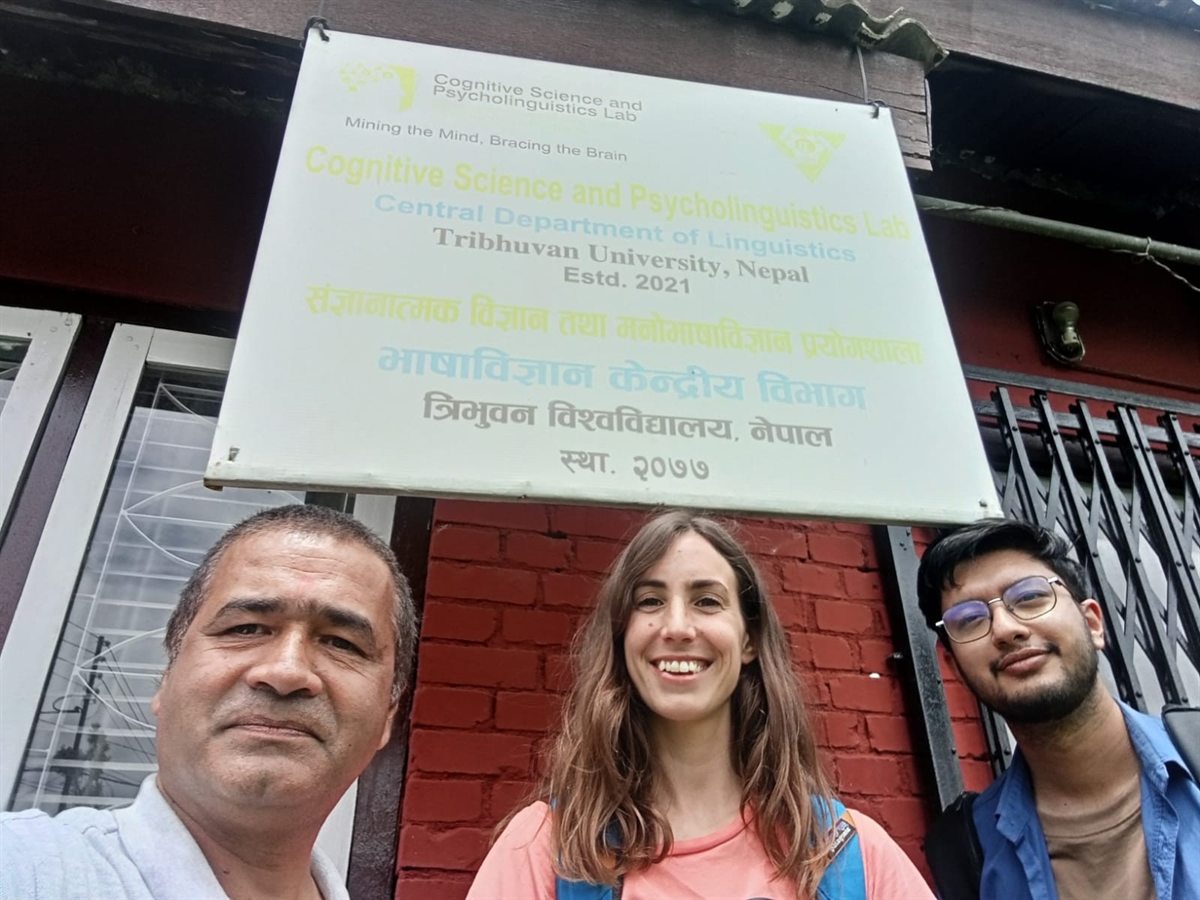
The Cognitive Science and Psycholinguistics Laboratory (CSPL) was founded in February 2021 at the Central Department of Linguistics, Tribhuvan University, the first and only laboratory of its kind in Nepal.

We investigate parallel language activation among bilinguals and multilinguals and its cognitive mechanisms. Our core finding (that all three languages are simultaneously active in the mental lexicon, with dominant languages processed faster in the presence of a weaker third) challenges established models of bilingual language control. We measure this using mousetracking, capturing the continuous dynamics of cognitive processing in real time.

Nepal's extraordinary multilingual landscape, with over 120 languages across multiple language families, provides a unique setting for studying how the human mind manages competing linguistic representations in non-WEIRD populations. Our work bridges cognitive science and linguistics in a region where experimental approaches to language are only beginning to take root.

Timeline

Key milestones

2021 Lab founded at CDL, Tribhuvan University. First of its kind in Nepal
2021 First publication: L2 instruction enhances L1 abilities (JCCS)
2023 Contribution to cross-linguistic spatial communication study in Nature Human Behaviour
2025 Two papers in top international journals: Bilingualism: Language and Cognition and International Journal of Bilingualism

Research

What drives our work

Most of what we know about how the brain handles multiple languages comes from labs in the West, studying Western (WEIRD) populations. We work in a place where speaking three or four languages is ordinary life, and ask what that means for the mind.

Parallel language activation

How does the brain manage multiple languages at once? We study how bilinguals and trilinguals activate, select, and inhibit competing languages during comprehension and production, and what that tells us about cognitive control more broadly.

Bilingualism, literacy & cognition

How do bilingualism, biliteracy, and language of instruction shape cognitive abilities? We examine the relationship between multilingual experience and executive function across different populations and educational contexts in Nepal.

Language acquisition & cross-linguistic cognition

Does second-language instruction harm the first language? How do children acquire language in multilingual Nepal? We have shown that L2 instruction can enhance rather than attrite L1 abilities, and contributed Nepali data to a 29-language, 34-lab study on spatial cognition published in Nature Human Behaviour.

Primary paradigm

Mousetracking

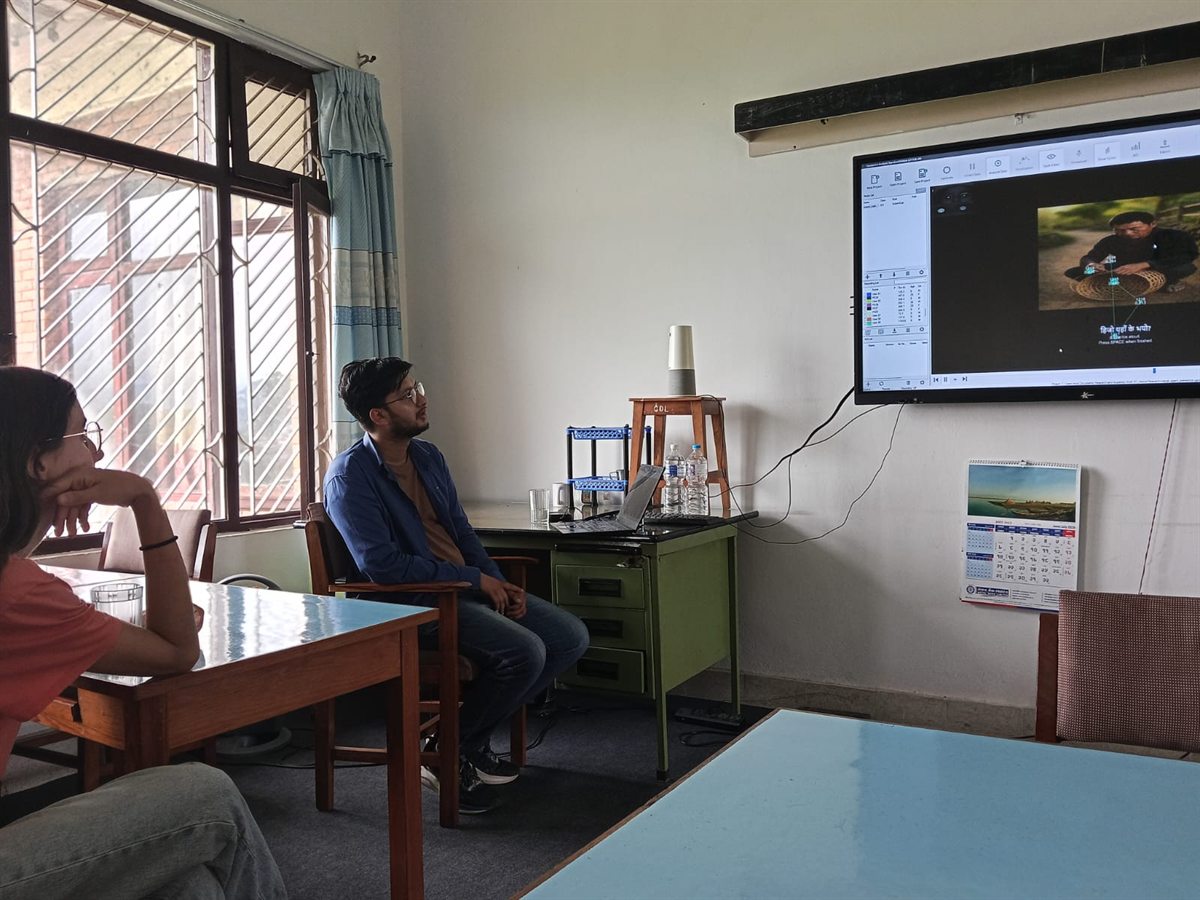
MouseTracker records kinematic action control as participants make mouse-click responses to linguistic and cognitive stimuli, measured in milliseconds. Curvature toward a competitor target directly indexes the degree of parallel language activation, making covert cognitive competition visible in the arc of a cursor.

Mouse-tracking · overlaid trial trajectories
Error Direct Competition-attracted

Complementary Paradigm

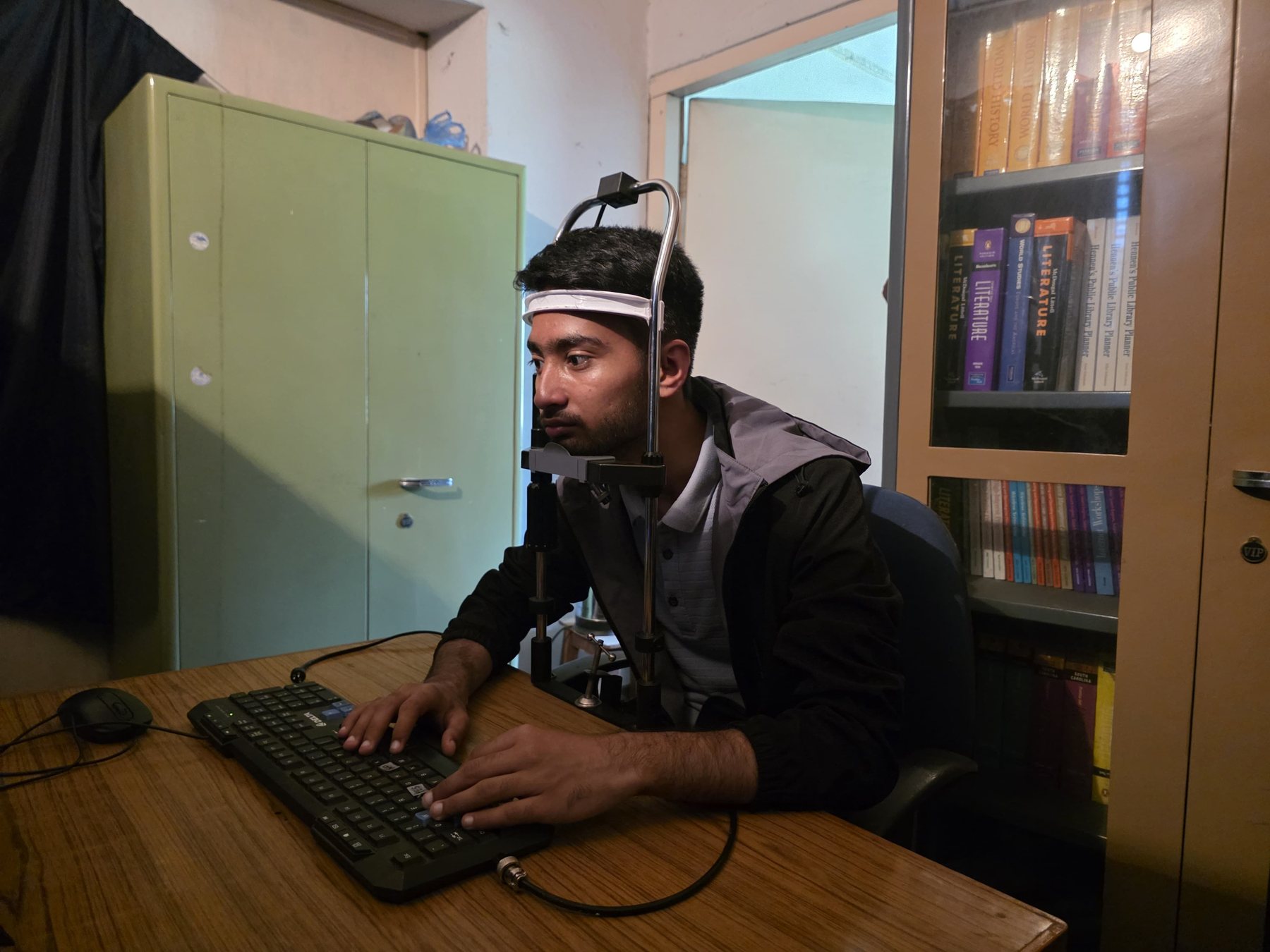
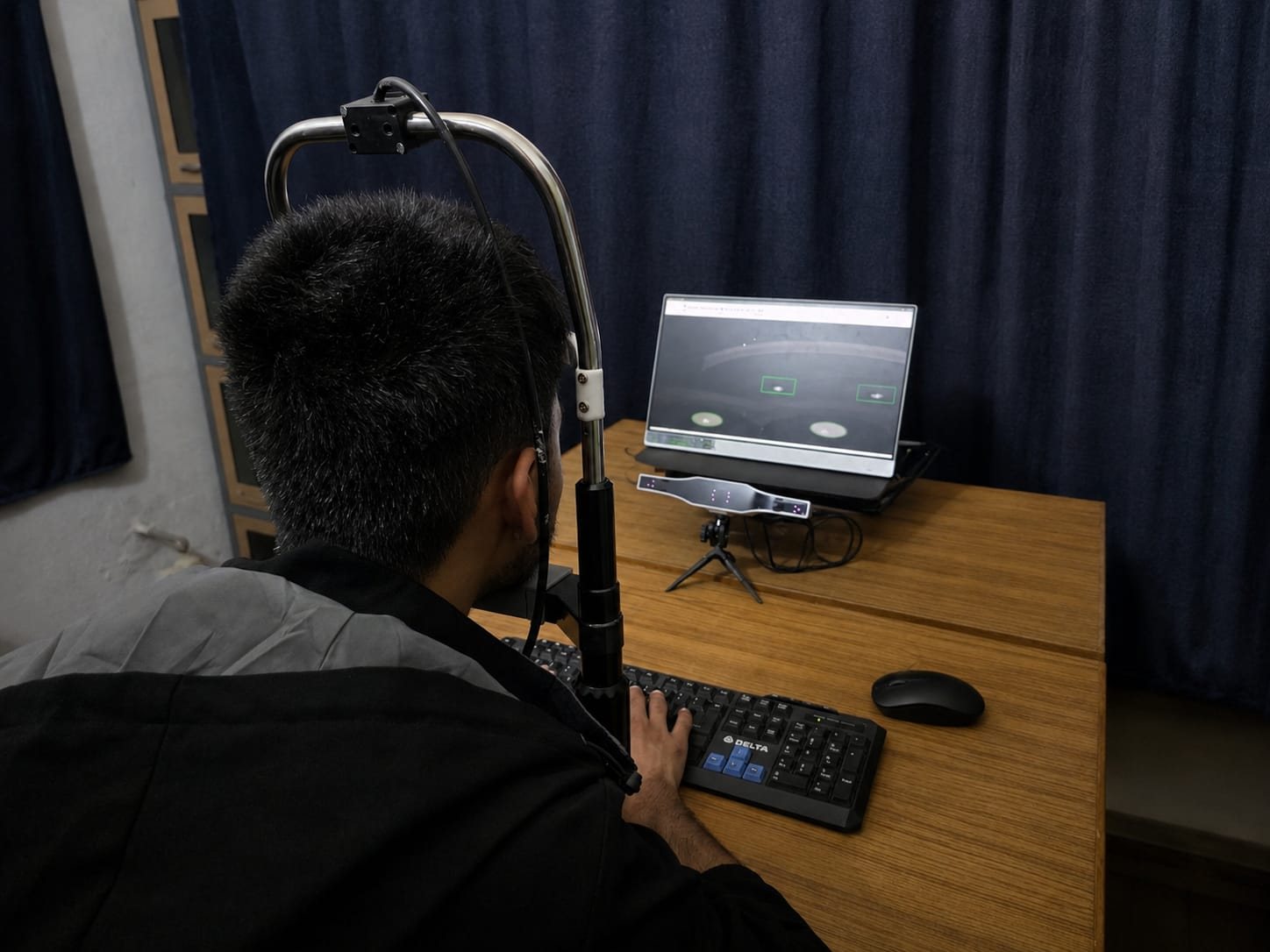
Eye-tracking

Fixation heatmaps reveal where and how long a reader's gaze lingers on each word, exposing the cognitive effort of lexical processing across languages and scripts in real time.

Reading fixation heatmap · simulated scanpath
Long fixation Medium Short / skipped